The shaft is the engine of every iron. It translates your swing into ball flight, and the wrong shaft costs you distance, accuracy, and feel. With steel, graphite, and multi-material options all available, picking the right one matters more than most golfers realize.
Steel shafts deliver precision and consistency. Graphite shafts are lighter, help increase swing speed, and reduce vibration. Your choice depends on swing speed, preference, and physical ability.
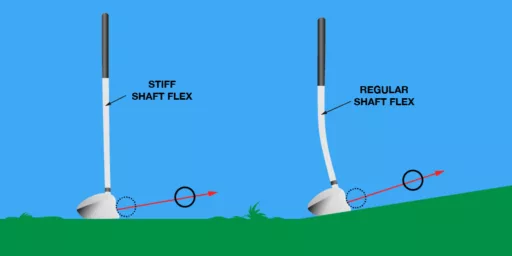
The key specs to compare: shaft flex (how much it bends during the swing), weight (affects swing speed and ball flight), torque (resistance to twisting), and kick point (higher = lower ball flight, lower = higher ball flight).
Top Iron Shafts for Your Golf Game
Iron shafts directly influence trajectory, distance, and accuracy. We tested and compared these models to find the best options across skill levels and swing types.
Grips4less MMT Iron Shaft

After several rounds with the Grips4less Mitsubishi MMT Iron Shaft, we're convinced it delivers the finesse and stability every golfer craves. The Metal Mesh Technology integration sets it apart with enhanced stability and consistent launch trajectory.
Pros
- Enhances stability and feel due to the Metal Mesh Technology
- Consistent launch and spin control optimize iron play
- Suitable for a wide range of swing speeds
Cons
- May be premium-priced for budget-conscious golfers
- Limited feedback for lower swing speeds
- 60g shaft weight might not fit all player preferences
Project X LZ Steel Shafts

We recommend the Project X LZ 6.0 Stiff Flex Steel Iron Shaft for golfers seeking a balance of control and flexibility in their irons.
Pros
- Enhanced stability during the swing
- Mid-launch promotes control and precision
- Quality build suitable for experienced players
Cons
- Limited to single flex option
- Higher price point
- Only one weight option available
True Temper S300

Solid for players seeking a consistent, mid-to-high launch. The ascending mass technology means long irons are lighter for better speed, and short irons are heavier for better control.
Pros
- Leads to a more controlled flight
- Transition in weight aids in swing tempo
- Suitable for players preferring a stiffer feel
Cons
- Limited to a .355 taper tip only
- Not ideal for those who favor a lighter shaft
- May not suit beginners or high handicappers
Fujikura PRO 95i Shafts

These shafts offer excellent control and a soft feel, seamlessly blending the benefits of graphite and steel.
Pros
- Consistent weight balance due to HDCC technology ensures precision
- Significant vibration reduction for a softer feel than steel shafts
- Premium materials contribute to consistency and control
Cons
- Limited total reviews to fully gauge long-term performance
- Premium price point
- May take adjustment for those used to traditional steel
True Temper Dynamic Gold 105

When we outfitted our irons with the True Temper Dynamic Gold 105, the difference was clear: precision and playability meet lightweight design.
Pros
- Noticeable accuracy and control during swings
- Provides a pleasing, tour-level feel with every shot
- Promotes higher swing speeds with its light construction
Cons
- Limited feedback for highly skilled players who prefer heavier shafts
- May not suit golfers who prefer a high launch
- Premium pricing
Buying Guide
Understanding Flex Ratings
- Extra Stiff (X): Suitable for high swing speeds above 105 mph.
- Stiff (S): For golfers between 95 and 104 mph swing speeds.
- Regular (R): Best for swing speeds between 85 and 94 mph.
- Senior (A): Ideal for swing speeds below 85 mph.
Material Matters
| Weight (grams) | Impact on Swing |
|---|---|
| 40-60 | Increases swing speed |
| 70-90 | Balanced between speed and control |
| 100+ | Maximizes control |
Torque Rating
- Low Torque: 2.0 - 3.0 degrees
- Medium Torque: 3.0 - 4.5 degrees
- High Torque: Above 4.5 degrees