By the TC Golf Center Editorial Team · Updated
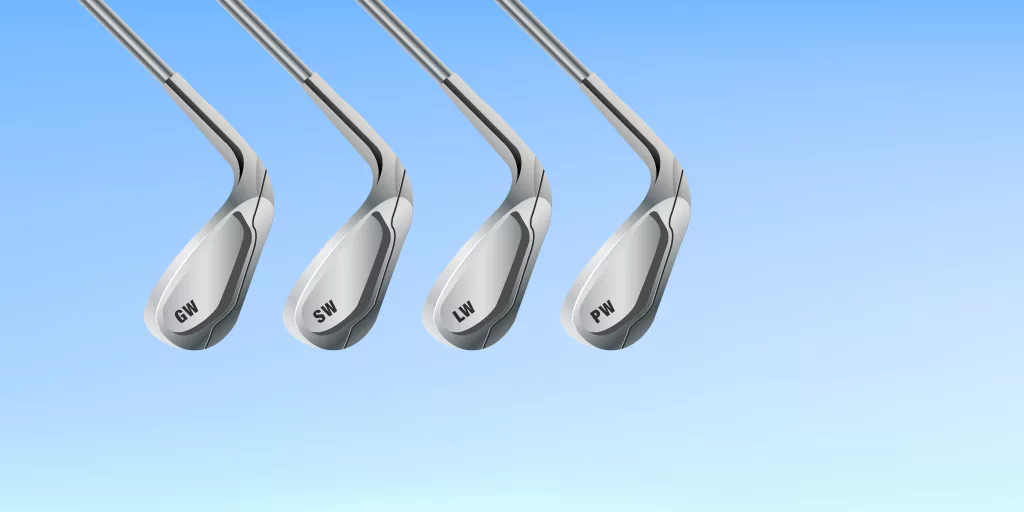
Wedge grind refers to the material removed from the sole of a wedge to change how it interacts with the ground. While bounce determines the angle of the sole, grind determines its shape. Together, bounce and grind control whether the club glides, digs, or skips through turf and sand. Choosing the right grind for your game is just as important as choosing the right loft.
What Is a Wedge Grind?
A wedge grind is the intentional removal of material from specific areas of the sole, typically the heel, toe, or trailing edge. Manufacturers shape the sole to change how much surface area contacts the ground at impact. More sole contact means more forgiveness and resistance to digging. Less sole contact means more versatility and the ability to manipulate the clubface for different shot types.
Grind names vary by manufacturer. Titleist uses letters like F, M, S, D, K, and L. Callaway uses labels like W-Grind, S-Grind, and X-Grind. Cleveland uses different naming again. Despite the inconsistent labeling, most grinds fall into a few core categories based on how much sole material remains.
When you look at the bottom of a wedge, the grind is what gives each model its unique sole profile. A full grind has a wide, flat sole. A narrow grind has material removed from the heel and toe, leaving a thinner contact patch.
Types of Wedge Grinds
There are four primary grind categories. Each one suits a different combination of swing style, shot selection, and turf condition.
| Grind Type | Sole Width | Best For | Skill Level |
|---|---|---|---|
| Full / Wide Grind | Wide, minimal material removed | Full shots, bunker play, players who keep the face square | Beginners and mid-handicappers |
| Mid Grind | Moderate, slight heel and trailing edge relief | All-around play, moderate face manipulation | All skill levels |
| Narrow / Low Grind | Narrow, significant heel and toe relief | Open-face shots, tight lies, creative shot-making | Low handicappers and advanced players |
| Heel Grind | Material removed primarily from the heel | Open-face bunker shots, flop shots, lob shots | Advanced players |
Full / Wide Grind. This grind leaves the most sole material intact. The wide sole provides maximum forgiveness by preventing the club from digging into turf or sand. It works best for players who take straightforward swings without manipulating the face angle. This is the most common grind on sand wedges because the wide sole excels at gliding through bunker sand.
Mid Grind. A mid grind removes a small amount of material from the trailing edge and sometimes the heel, offering a balance between forgiveness and versatility. It handles full shots, chips, pitches, and bunker shots without specializing in any single area. Most golfers will find a mid grind covers the widest range of situations.
Narrow / Low Grind. This grind removes material from the heel, toe, and trailing edge, leaving a thinner sole that sits closer to the ground. It allows the player to open or close the clubface without the sole interfering. Advanced players who hit flop shots, bump-and-runs, and creative greenside shots from varied lies benefit most from this grind. It is a popular choice on lob wedges where face manipulation is frequent.
Heel Grind. A heel grind specifically removes material from the heel section of the sole. This lets the player lay the face wide open without the heel catching the turf. It is designed almost exclusively for high-skill greenside play: flop shots over bunker lips, delicate lobs to tight pins, and open-face bunker escapes.
How Grind Affects Turf Interaction
The shape of the sole determines how the club moves through the ground at impact. A wider sole spreads the force across a larger area, which slows the club less and prevents it from cutting too deep. A narrower sole concentrates force into a smaller area, allowing the club to cut through firm turf more easily but also increasing the risk of digging in soft conditions.
On a full swing from the fairway, grind has a subtle but real effect. A wide grind glides smoothly and produces consistent contact, even on slightly fat strikes. A narrow grind requires more precision but rewards good contact with better feel and control.
Around the green, grind becomes critical. Opening the face on a full-grind wedge exposes a wide sole that can bounce off firm ground and produce thin shots. Opening the face on a narrow-grind wedge keeps the sole profile low and allows clean contact from tight lies. This is why tour professionals often carry wedges with different grinds for different shot requirements.
Matching Grind to Your Game
By Swing Type
- Steep swingers who take deep divots: A full or mid grind with a wide sole prevents excessive digging and provides forgiveness on less-than-perfect strikes.
- Shallow swingers who brush the grass: A mid or narrow grind works well because the thinner sole does not catch or skip on firm turf.
- Players who manipulate the face often: A narrow or heel grind gives the freedom to open and close the face without the sole getting in the way.
By Course Conditions
- Soft, wet turf and fluffy sand: A full or wide grind prevents digging and keeps the club moving through the ground.
- Firm, dry turf and tight lies: A narrow or mid grind keeps the leading edge close to the surface for clean contact.
- Mixed conditions: A mid grind is the safest all-purpose choice, handling both firm and soft lies reasonably well.
By Skill Level
- Beginners and high handicappers: Start with a full grind across all wedges. The forgiveness outweighs any loss of versatility while you develop consistent contact.
- Mid handicappers: Use a mid grind on your pitching and gap wedges, and consider a full grind on your sand wedge for bunker play. A mid grind on the lob wedge balances versatility with forgiveness.
- Low handicappers and scratch players: Mix grinds based on the role of each wedge. A mid grind on full-shot wedges and a narrow or heel grind on your scoring wedges gives maximum shot-making flexibility.
Grind by Wedge Type
Each wedge in the bag serves a different purpose, and the grind should match that purpose.
Pitching Wedge and Gap Wedge. These clubs are used primarily for full shots and controlled approaches. A full or mid grind is standard because these wedges rarely need an open face. The loft on these wedges is lower, so the sole naturally sits flatter on the ground and does not require aggressive shaping.
Sand Wedge. The sand wedge handles the broadest range of conditions: bunkers, rough, pitch shots, and chips. Grind selection varies more here than on any other wedge. A full grind excels in bunkers and soft turf. A mid grind works for players who also use their sand wedge for chips and pitches from tighter lies. Advanced players sometimes choose a narrow grind to increase versatility, accepting the trade-off of less bunker forgiveness.
Lob Wedge. The lob wedge is the most specialized club in the bag. It handles flop shots, tight-lie chips, and delicate greenside pitches where face manipulation is common. A narrow or heel grind is the most popular choice because it allows the player to open the face fully without the sole interfering. Beginners may prefer a mid grind on the lob wedge until they develop the technique to use a narrower sole effectively.
Grind vs Bounce: How They Work Together
Bounce and grind are not independent specs. They work together to define how the sole performs at impact. A wedge with 12 degrees of bounce and a full grind will play very differently from a wedge with 12 degrees of bounce and a narrow grind, even though the bounce number is identical.
The reason is effective bounce. The bounce angle tells you the tilt of the sole, but the grind determines how much of that sole actually touches the ground. A full grind keeps the entire sole in contact, so all 12 degrees of bounce are active. A narrow grind removes material from the heel and toe, reducing the contact area and making the club play as though it has less bounce than the number suggests.
This interaction means you cannot choose bounce without considering grind, and vice versa. Here are practical pairings that work well together:
- High bounce + full grind: Maximum forgiveness and dig resistance. Ideal for bunkers, soft turf, and steep swings.
- Mid bounce + mid grind: The all-around combination. Handles most conditions and swing types without excelling in any extreme.
- Low bounce + narrow grind: Maximum versatility and shot-making ability. Suits firm conditions, shallow swings, and players who open the face frequently.
- High bounce + narrow grind: An advanced combination used by some tour players. The high bounce protects against digging while the narrow grind allows face manipulation. Effective but demanding.
When building your wedge set, think of bounce as the vertical control (how deep the club goes) and grind as the horizontal control (how the sole moves across the ground). Matching both to your swing and conditions creates a wedge setup that performs consistently from every lie.